Key Takeaways
- Plant Biology 2026 drew an engaged, predominantly academic audience, reflecting the research-driven nature of plant and agricultural science.
- Plant science faces a pace gap compared to fields like oncology, driven largely by longer biological timelines and funding disparities, not a lack of scientific ambition.
- Researchers are finding creative workarounds to accelerate research timelines for faster insights.
- Abiotic stress (e.g., drought, heat, and flood tolerance) emerged as a dominant research theme, reflecting the field’s direct response to climate change.
Every summer, the American Society of Plant Biologists (ASPB) hosts its annual Plant Biology meeting, which is one of the premier gatherings for plant scientists from around the world. The conference brings together researchers, industry leaders, educators, and students to share the latest in plant biology and plant science research, with themes ranging from biosynthesis pathways and cell signaling dynamics to crop resilience in the face of a changing climate. The yearly event promotes professional development, connecting and networking (they even have a Bud’dy Program if you’re attending solo), and engaging sponsors and exhibitors.
This year, Plant Biology 2026 was held in Ottawa, Canada, and co-hosted with the Canadian Society of Plant Biologists (CSPB/SCBV). Chelsea Berngruber, Senior Project Manager at Samba Scientific, attended the meeting and came away with a thoughtful reflection on where the field stands, as well as where it’s headed.
A Small Field with Big Passion
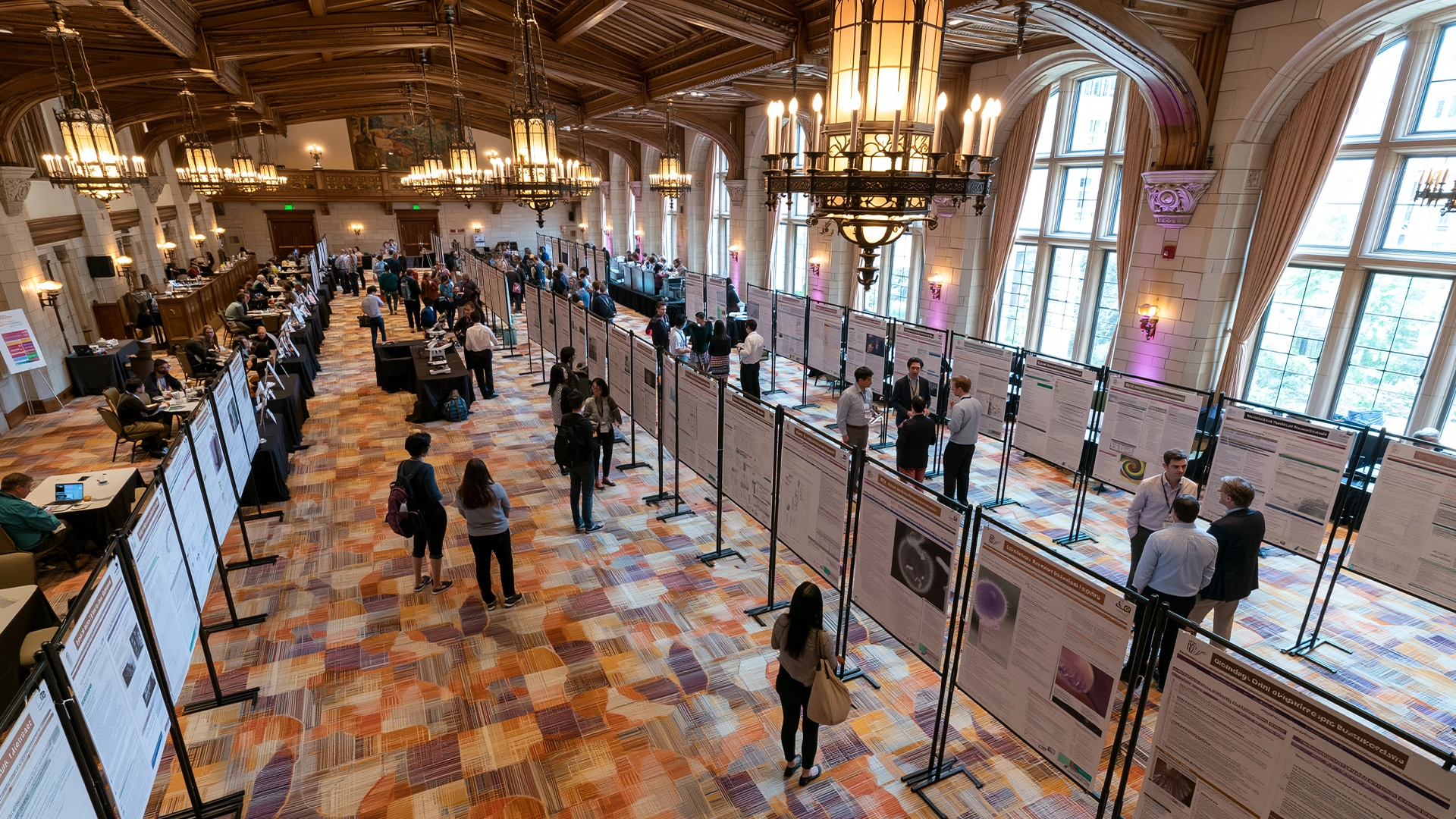
Plant Biology 2026 was a smaller conference by life science standards, but what it lacked in size, it more than made up for in engagement. Talks were well attended, and the buzzing energy in the room reflected a community that genuinely cares about its work.
That enthusiasm is perhaps most visible at the poster sessions, which Chelsea describes as a highlight.
“The poster receptions are always a favorite of mine. Graduate students and post-docs line up eagerly by their posters, hoping someone stops and asks them a question so that they can present the work that has consumed their working days — and probably nights and weekends – for months to years. The excitement, the depth of knowledge, and the pride that they have in their work are all palpable. If you ever need your faith in the future of humanity restored, an academic poster session can do it.”
The Plant Biology audience skews heavily academic, a characteristic that Chelsea notes is typical of plant and agricultural biotechnology conferences and worth understanding in context.
“In human and mammalian life sciences, the start-up ecosystem is where a lot of breakthroughs are happening. In plant and agricultural science, academics are still very much where the action is,” she explains. “That’s not a weakness — it just reflects how the field is structured and funded.”
Why Plant Science Moves Slowly (And What the Field Is Doing About It)
One of Chelsea’s more candid observations was the sense that plant biology, as a field, is moving more slowly than its counterparts in areas like oncology or infectious disease research. Returning to a plant conference for the first time since 2016, she noticed that some of the methods — and even some of the research questions — felt familiar to what she saw a decade ago.
However, she’s quick to attribute this to the biology itself, not the scientists:
“It’s not that plant scientists don’t know that they’re working against the clock — they definitely do. Part of it is just the nature of the research. Taking a plant through its life cycle, or getting a T1 generation grown up, takes much longer than it does in mammalian cell culture. It’s also highly dependent on the plant species. The timeline constraints are real, and the funding disparities compared to something like cancer research are real, too.”
Funding asymmetry is a real factor: plant disease and crop science research historically receives far less investment than human health research, which further widens the pace gap. Still, the field is not standing still, and several presentations at Plant Biology 2026 illustrated creative attempts to work around biology’s slowdowns.
Speeding Up Plant Science: Two Approaches Worth Watching
Rapid Transgenic Systems in Tobacco
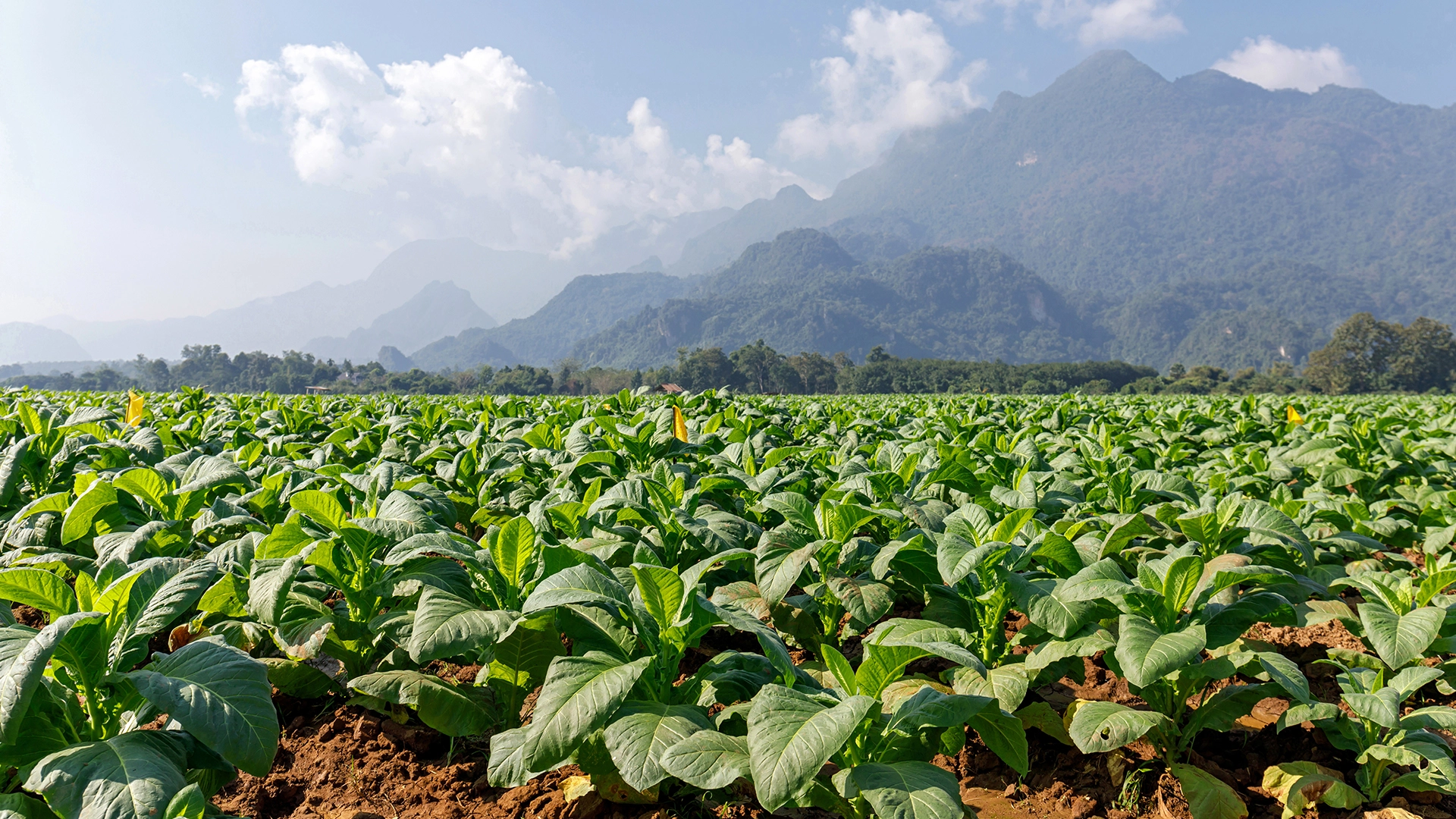
One talk that Chelsea found particularly compelling came from Changqing Yang of the Chinese Academy of Agricultural Sciences, presenting work on tobacco (Nicotiana tabacum) as an accelerated model system. The presentation, titled “Plant Biomanufacturing: Tissue-Specific and Flux-Redirected Metabolic Engineering of Forskolin in Tobacco,” showcased a platform that significantly compresses the plant biology research timeline:
- Transgenic plants produced in just 4 weeks
- Flowering initiated at approximately 1 month
- Homozygous mutants generated in the T0 generation (this is a huge deal!)
- High-throughput transformation enabled through multi-cassette constructs
The T0 homozygosity result is especially notable. In standard plant research, achieving homozygosity requires growing plants through at least two generations, which is a process that can take years depending on the species. Compressing that into the founding generation has major implications for the speed of discovery in plant biology.
Mammalian Cells as a "Clean Room" for Plant Hormone Research
A second standout came from the poster session: work by Franziska Kuttig of Heinrich Heine University Düsseldorf, titled “Quantitative Understanding of Phytohormone Signaling Through Synthetic Reconstruction in Orthogonal Mammalian Cell Systems.”
Kuttig’s approach is elegantly counterintuitive: rather than studying plant hormone signaling in plants, she used synthetic biology to reconstruct key components of three major plant hormone pathways — auxin, cytokinin, and gibberellin — inside mammalian cells.
Why? Because in plants, these pathways overlap extensively. Isolating a single protein interaction or measuring a specific signal is difficult when you’re working inside the organism where everything is cross-talking. Mammalian cells, which don’t have these pathways natively, provide a “clean background,” a sort of controlled environment where individual components can be studied without the noise of endogenous plant biology and redundant genetics.
It’s an example of the kind of creative, cross-disciplinary thinking that Chelsea sees as representative of what’s genuinely exciting in plant science today.
Climate Change Is Reshaping the Research Agenda
One of the clearest thematic trends at Plant Biology 2026 was the elevated focus on abiotic stress: drought tolerance, heat tolerance, flood tolerance, and the combinations of these stressors. Chelsea noted this felt like a heavier emphasis than in previous years, and the explanation isn’t hard to find.
“The research agenda in plant biology is increasingly being shaped by what’s happening in the real world — and what’s happening is climate change. You can see it in the talks: drought, heat, flooding. The field is responding to urgency, and that’s encouraging.”
This tracks with broader trends in plant science literature. As extreme weather events grow more frequent, crop resilience research has become both a scientific priority and a food security imperative. The emphasis at Plant Biology 2026 suggests that the plant biology community is actively aligning its work with those challenges.
A Field Worth Watching
Plant biology and plant science often sit in the shadow of more visible life science sectors, like cancer research, gene therapy, immunology, or infectious disease. Nevertheless, plant biologists are working on problems that are arguably just as consequential: feeding a warming planet, building crop systems that can withstand environmental extremes, and developing the next generation of biological tools grounded in plant systems.
The tools are getting faster. The questions are getting sharper. And if the energy in that poster session is any indication, the people who are doing the work have no shortage of commitment.
“If you ever need your faith in the future of humanity restored, an academic poster session can do it.”
– Chelsea Berngruber, M.S.
For a science communications and marketing agency like Samba Scientific, engagements in plant biology and agricultural science are a reminder of what makes life science writing worth doing across every specialty — not just the ones that make the headlines most often. Schedule an intro meeting to discuss how we can help broaden the reach of your research.